Spring Gnome: A Designer’s Review for Real Projects
As a designer who has spent countless hours hooping fabric, trimming jump stitches, and tweaking tension settings, I approach every new machine embroidery design with a mix of curiosity and caution. We have all been there: you download a cute file, stitch it out on a scrap piece of cotton, and realize the density is too high or the details get lost in the pile of a towel. That is why I took a close look at Spring Gnome before committing it to any client work or personal inventory. This isn't just about whether the character is cute—though it certainly is—but about how it performs as a functional embroidery project asset.
First Impressions and Visual Personality
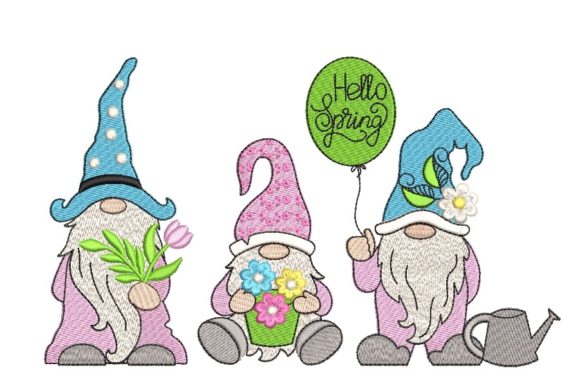
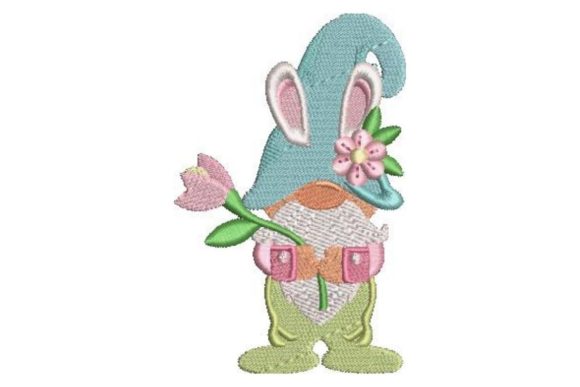
The first thing that strikes you about Spring Gnome is its mood. It captures that whimsical, earthy vibe that dominates the spring season without feeling overly childish. The layout feels balanced, with a clear focal point that draws the eye immediately. For those of us creating handmade products, visual clarity is everything. A design that looks muddy from three feet away will not sell, no matter how intricate the stitching is up close.
This design seems to rely on a smart combination of stitch types. While I cannot verify the exact stitch count without opening the file in my software, the visual preview suggests a thoughtful use of satin stitch for borders and defining lines, paired with fill stitch areas that provide solid coverage without looking like a plastic patch. The theme naturally leans into gardening and outdoor love, making it an ideal candidate for anyone looking to create items that celebrate the changing seasons. It feels organic, which is a difficult balance to strike in digital design assets.
Real-World Application: The Tote Bag Test
To truly evaluate a design, you have to imagine it on a product. I mentally placed Spring Gnome on a natural canvas tote bag design. This is a staple item for Etsy sellers and craft fair vendors. On a textured canvas, the design needs enough definition to stand out against the weave of the fabric. Because this embroidery file appears to have distinct shapes and likely utilizes running stitch or lighter fills for certain elements, it should translate well to medium-weight fabrics.
Imagine a customer walking into a boutique or browsing online. They see a tote with this gnome holding gardening tools or flowers. It signals "spring" immediately. It works as a personalized gift for a gardener, a teacher, or a neighbor. The versatility here is key. It is not tied to a specific holiday like Christmas or Easter, which extends its shelf life in your small shop product lineup. You can sell it from March through June, maximizing the return on your design investment.
Fabric Considerations and Stitching Reality
One of the most critical aspects of reviewing a machine embroidery design is understanding where it might fail. Spring Gnome seems versatile, but I would exercise caution with very thin or stretchy fabrics. If you are planning to use this for sweatshirt embroidery or baby embroidery on onesies, the stabilizer choice becomes paramount. A design with significant fill areas can pull on lightweight knits, causing puckering that ruins the professional look of the finished product.
For custom apparel like t-shirts, I recommend testing the design on a similar weight fabric first. Check the stitch density. If the gnome’s hat or beard features dense stitching, you may need a cut-away stabilizer rather than a tear-away to maintain shape after washing. For textured fabrics like towels or aprons, ensure the contrast between the thread colors and the fabric is high enough. A pastel gnome on a white towel might disappear, whereas the same design on a sage green or terracotta towel would pop beautifully.
Navigating Curved Surfaces and Small Hoops
If you are considering this for caps or hats, be mindful of the hoop size. Curved surfaces distort designs, especially if there are wide, flat areas of fill. Spring Gnome should be checked for width relative to your cap frame. Additionally, if the design includes tiny details, such as small flowers or facial features, these might not stitch out cleanly on a curved surface due to the angle of the needle penetration. Always run a test stitch on a curved mockup or actual cap before selling it as a commercial embroidery item.
Commercial Viability for Makers
For craft business owners, the value of a design lies in its ability to attract buyers. Spring Gnome fits neatly into the "cottagecore" and "gardening enthusiast" niches, which are evergreen markets. When creating printable mockup images for your online store, this design offers great potential. It looks charming in lifestyle shots featuring potted plants, sunlight, and natural wood backgrounds. This helps build brand consistency and enhances buyer engagement.
However, professionalism is key. Before listing items made with this digital embroidery file, verify the licensing terms. The description mentions it comes in multiple formats, which is standard, but always confirm if commercial use is allowed for physical goods. Most designers allow selling finished items, but reselling the file itself is rarely permitted. Protecting your small business reputation means respecting intellectual property and ensuring your customers receive a high-quality embroidered patch or garment that holds up over time.
Practical Designer Notes for Best Results
To get the best outcome with Spring Gnome, follow these practical steps:
- Test on Scrap Fabric: Never stitch a new design directly on your final product. Use a scrap piece of the same material to check for puckering or thread breaks.
- Check Thread Contrast: View your design in black and white on your computer screen. If the details blend together, adjust your thread palette to ensure clarity.
- Inspect Small Details: Zoom in on the preview. Are there tiny satin columns that might snag? If so, consider simplifying or avoiding those areas for high-wear items.
- Use Proper Stabilizer: Match your stabilizer to your fabric. Woven fabrics often do well with tear-away, while knits require cut-away for longevity.
- Verify File Formats: Ensure the downloaded package includes the format compatible with your specific machine brand to avoid conversion errors that can alter stitch quality.
Final Verdict
Spring Gnome is a strong contender for your spring lineup. It balances charm with practicality, offering a design that feels intentional rather than generic. For appliqué design lovers, if this file supports applique, it could further reduce stitch count and add texture, but even as a standard full-stitch design, it holds its own. It is suitable for a wide range of projects, from holiday embroidery gifts to everyday custom apparel.
Ultimately, the success of this design in your craft business will depend on your execution. Pay attention to your hoop size, respect the fabric texture, and choose your threads wisely. When done correctly, Spring Gnome can elevate a simple item into a cherished keepsake. It is a reliable, aesthetically pleasing addition to any designer’s library, provided you take the time to test and refine your process. Happy stitching!