Spring Gnomes: A Designer’s Practical Review
As a designer who spends more time staring at stitch simulations than I do at my own garden, I have learned to be skeptical of "cute." In the world of machine embroidery, cute often translates to dense, messy, or impractical. However, when I pulled up the Spring Gnomes design file this morning, my initial reaction was one of genuine relief. These aren't just generic clipart converted into stitches; they are thoughtful, balanced, and ready for real-world application.
I am evaluating this design not just as a digital asset, but as a component of a finished product. Whether you are an Etsy seller looking to refresh your spring inventory, a hobbyist making personalized gifts, or a boutique owner curating seasonal decor, the viability of an embroidery design depends on how it behaves under the needle. Here is my breakdown of how Spring Gnomes performs in actual production scenarios.
First Impressions: Mood and Visual Personality
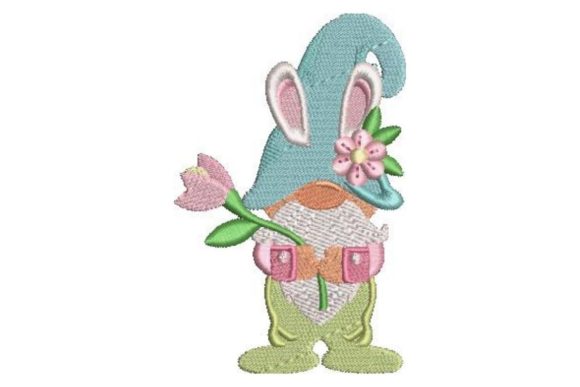
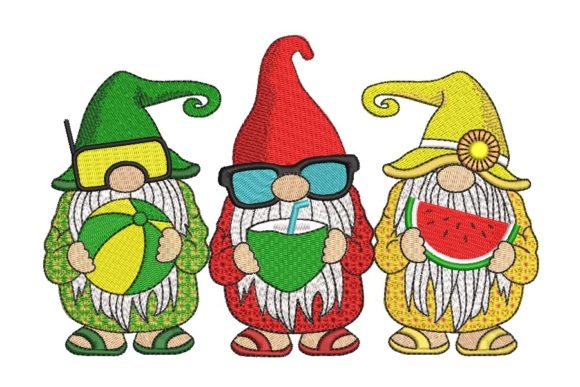
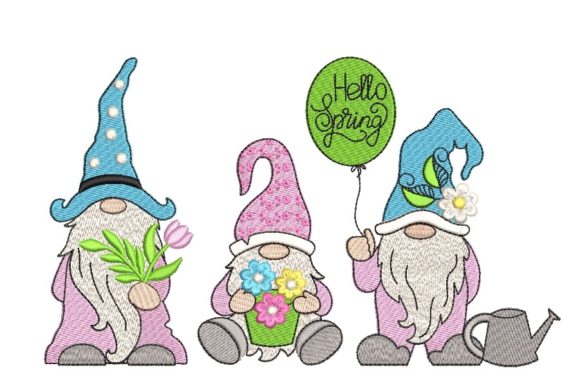
The immediate mood of Spring Gnomes is whimsical yet refined. The layout avoids the cluttered look that plagues many seasonal designs. Instead, it offers a clean silhouette that reads well from a distance. For embroidery designers, this is crucial. If a customer cannot identify the subject matter from three feet away, the design fails its primary purpose.
The color palette suggested by the preview is vibrant, leaning into the fresh greens, soft pinks, and bright yellows typical of the season. But beyond color, the shape language is solid. The gnomes have distinct personalities without relying on excessive micro-details that might get lost in lower-quality threads. This visual personality makes the design versatile. It feels at home on a rustic linen tea towel just as much as it does on a modern, minimalist tote bag.
Real-World Application: From Mockup to Merchandise
To truly test the value of Spring Gnomes, I imagined several specific projects where this design would shine. Let’s look at a few practical use cases for small business owners and makers.
- Custom Apparel: I visualized this embroidered on the left chest of a heavyweight cotton sweatshirt. The design’s compact nature means it won’t overwhelm the garment. It adds a subtle, playful touch that appeals to adults who want seasonal flair without looking childish. For baby embroidery, scaling it down slightly for a onesie or bib creates an adorable personalized gift that parents love.
- Home Decor and Kitchen Textiles: Imagine this stitched onto a flour sack tea towel. The delicate touch mentioned in the product description holds up here. Because the design isn't overly dense, it doesn't stiffen the fabric excessively, preserving the drape and feel of the towel. It also works beautifully on pillow covers for nursery decor, adding a splash of color that ties a room together.
- Accessories and Patches: For those selling embroidered patches, Spring Gnomes is a strong contender. The shapes are contained, meaning you can create a clean merrowed edge or a satin stitch border without worrying about stray threads ruining the outline. On a canvas tote bag, the design serves as a focal point that encourages engagement—people notice it, smile, and ask about it.
For digital product sellers, this design offers excellent potential for printable mockups. The clear lines and recognizable theme make it easy to showcase in lifestyle photos, helping customers visualize the final product before they buy.
Technical Performance and Stitching Clarity
When we talk about a machine embroidery design, we are talking about engineering. How does Spring Gnomes handle the transition between colors? How is the stitch density managed?
From a technical standpoint, the design appears to balance satin stitch and fill stitch effectively. Satin stitches are likely used for smaller details like hats or noses, providing that glossy, professional finish customers associate with high-quality embroidery. Fill stitches probably make up the bodies or larger background elements, ensuring coverage without creating a cardboard-like texture on the fabric.
However, stitch density is always a concern with colorful, multi-element designs. If the density is too high, you risk puckering, especially on lighter fabrics. I recommend checking the stitch count and density settings in your embroidery software before hitting "start." If you are working with thin fabric, such as a lightweight cotton shirt or a silky blouse, using a cut-away stabilizer is non-negotiable. This ensures the fabric supports the weight of the thread, keeping the finished product flat and professional.
Navigating Fabric Challenges
Not every fabric is a friend to embroidery. Here is where you need to exercise caution with Spring Gnomes:
- Stretchy Fabrics: If you are applying this to a jersey knit or a stretchy cap, you must use the right stabilizer. A tear-away might not provide enough support, leading to distortion after washing.
- Dark Fabrics: While the design is colorful, ensure there is enough contrast. If you are stitching on navy or black, you may need to adjust thread colors or use an underlay stitch to prevent the fabric from showing through the lighter areas of the design.
- Curved Surfaces: Embroidering on a cap requires careful hooping. The small details of the gnomes’ faces need to remain centered and undistorted. Test on a scrap piece of similar material first to check for registration issues.
Commercial Viability and Brand Consistency
For craft business owners and Etsy sellers, consistency is key. Spring Gnomes fits seamlessly into a broader spring collection. It doesn't scream "discount bin"; it feels curated. This enhances brand consistency and builds customer trust. When a buyer sees a well-executed, thoughtful design, they perceive higher value in the handmade product.
Moreover, the design’s appeal extends to giftability. Holiday embroidery and seasonal gifts rely on emotional connection. These gnomes evoke warmth and joy, making them ideal for Easter baskets, Mother’s Day gifts, or simply as a cheerful surprise for a friend. This emotional resonance drives buyer engagement and can lead to repeat customers who appreciate your eye for quality design assets.
Practical Designer Notes Before You Stitch
Before you commit to a full production run or sell your first item, take these practical steps:
- Test on Scrap Fabric: Never skip this step. Use the same fabric and stabilizer combination you plan to use for the final product. Check for puckering, thread breaks, or color bleeding.
- Check Thread Color Contrast: View your design in black and white on your computer screen. If the details disappear in grayscale, you may need to adjust your thread choices to ensure clarity.
- Verify Licensing: Always confirm the license terms for any digital embroidery file. Ensure you have the rights to sell finished products if that is your goal. Most designers allow commercial use for physical items but restrict the resale of the digital file itself.
- Inspect Small Details: Zoom in on the preview. Are there tiny satin stitches that might snag? If so, consider simplifying or reinforcing those areas in your editing software.
In conclusion, Spring Gnomes is a reliable, charming addition to your library of design assets. It respects the limitations of embroidery machinery while maximizing aesthetic appeal. For the experienced designer, it offers a smooth workflow; for the beginner, it provides a forgiving structure that yields professional results. Whether you are decorating a simple apron or launching a new line of boutique merchandise, this design earns its place in the hoop.