Tangram: A Designer’s Review for Real Stitching
As a designer who has spent years watching needles dance across fabric, I have learned that the most beautiful machine embroidery design on screen is not always the easiest to stitch in real life. When I first opened the file for Tangram, part of the Intricate Cuts collection, my initial reaction was one of cautious optimism. The geometric precision promised by the name suggests a clean, modern aesthetic, but it also raises immediate questions about stitch registration and density. Is this a design that will elevate a custom tote bag, or is it a trap for broken needles and puckered fabric?
In this review, I am looking at Tangram not just as a digital asset, but as a component of a finished product. Whether you are an Etsy seller preparing holiday inventory or a hobbyist making a personalized gift, understanding how this design behaves under the needle is crucial.
First Impressions: Geometry Meets Thread
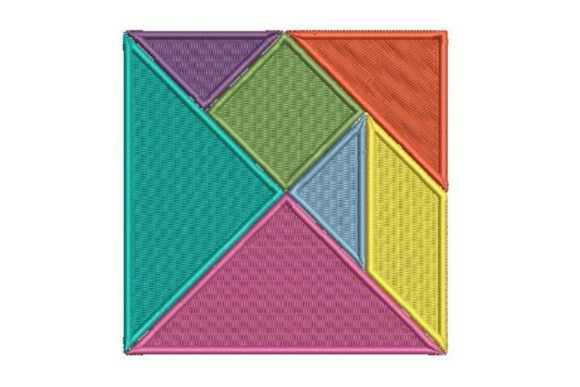
The visual personality of Tangram is striking. It relies on sharp angles and intersecting lines, creating a sense of structured elegance. For a craft business owner, this is appealing because geometric designs tend to have broad market appeal. They fit well with modern home decor, minimalist apparel, and contemporary nursery items. However, from a technical standpoint, sharp corners are where embroidery often fails. If the digitizing is poor, those crisp points become rounded blobs after washing.
Upon zooming in, I looked for the balance between satin stitch and fill stitch areas. A design in the Intricate Cuts category should demonstrate sophisticated pathing. I was pleased to see that the transitions appear smooth, suggesting that the digitizer considered the pull of the thread. This is vital for maintaining the integrity of the shape, especially if you plan to use it as an embroidered patch or on a curved surface like a cap.
Real-World Application: The Tote Bag Test
To truly evaluate Tangram, I imagined applying it to a heavy canvas tote bag. This is a common project for small shop products and boutique branding. Canvas is stable, which is good, but it is also thick. The design needs enough presence to stand out against the textured weave.
If you are using this as a tote bag design, placement is key. Centered on the front panel, Tangram acts as a bold logo or artistic focal point. Because the design features intricate cuts, the negative space plays a significant role. On a natural cotton canvas, using high-contrast thread colors—such as navy thread on beige fabric—will make the geometry pop. However, if you choose tonal threads, the design might get lost in the fabric texture. I recommend testing your thread colors on scrap fabric first. What looks vibrant on your monitor may appear muddy once stitched.
For sweatshirt embroidery, the scenario changes. A fleece or French terry surface is plush and can swallow small details. If Tangram has very fine running stitch elements, they might disappear into the pile of the fabric. In this case, I would advise increasing the stitch density slightly if your software allows, or choosing a smoother fabric blend for the garment. The goal is clarity. A customer buying a custom apparel item wants a design that looks intentional and professional, not fuzzy or indistinct.
Navigating Fabric Challenges
One of the biggest risks with geometric designs is fabric distortion. When stitching on stretchy fabric, such as a baby onesie or a athletic jersey, the tension from the stitches can cause the garment to pucker around the design. This is where your choice of stabilizer becomes non-negotiable. For Tangram, I would strongly recommend a cut-away stabilizer for any stretchy material. A tear-away might provide temporary support, but it will not hold up to the repeated washing that baby embroidery or daily-wear custom apparel endures.
Dark fabric presents another challenge. If you are stitching Tangram on a black hoodie, you must ensure that your bobbin thread matches the top thread or the fabric color. Otherwise, you risk seeing white bobbin threads peeking through the edges of the design, which ruins the professional look of the finished product. Always test on dark fabric scraps to check for "grin-through," where the backing shows between stitches.
Curved surfaces, like caps, require extra caution. The Intricate Cuts style implies detail, but a cap’s front panel is small and curved. If the hoop size required for Tangram is large, it may not fit comfortably on a standard cap frame. Even if it fits, the curvature can distort straight lines, making them appear bowed. For headwear, I suggest checking the dimensions carefully. If the design is too wide, consider scaling it down, but be mindful that reducing size too much can compromise the stitch quality, leading to thread breaks in tight corners.
Commercial Viability and Brand Consistency
For digital product sellers and commercial embroidery professionals, the value of a design lies in its versatility. Does Tangram work for both a high-end boutique pillow cover and a casual kitchen towel? The answer depends on execution. On a tea towel, a lighter stitch density is preferable to maintain the drape of the linen. On a pillow cover, you can afford more density for a luxurious, raised texture.
Using this design in printable mockups before stitching can save time and money. Create digital previews to show clients how Tangram looks on different backgrounds. This helps manage expectations and boosts buyer engagement. When customers see a realistic representation of the embroidery project, they are more likely to trust the quality of your handmade product.
However, always verify the license terms. Just because a file comes in multiple formats does not mean it is free for unlimited commercial use. Confirm whether you can sell finished items or if there are restrictions on digital redistribution. Protecting your craft business means respecting intellectual property rights.
Practical Designer Notes for Success
Before you load Tangram into your machine for a client order, follow these practical steps:
- Check the Hoop Size: Ensure your machine’s hoop can accommodate the design dimensions without re-hooping, which can cause alignment issues.
- Inspect Small Details: Look closely at the tiniest corners. If they seem too sharp for the thread weight you are using, consider simplifying or adjusting the underlay.
- Test Stitch Density: Run a test on similar fabric to see if the design pulls or puckers. Adjust tension if necessary.
- Contrast is Key: Use high-contrast thread colors for the first run to easily spot any registration errors or skipped stitches.
- Stabilizer Selection: Match the stabilizer to the fabric weight. Heavy fabrics need strong support; delicate fabrics need soft, lightweight stabilizers to prevent stiffness.
In conclusion, Tangram offers a compelling blend of modern aesthetics and technical intrigue. It is a design that rewards careful preparation. By respecting the limitations of your fabric and machine, you can transform this digital embroidery file into a stunning physical asset. Whether for holiday embroidery gifts or year-round small shop merchandise, this design has the potential to enhance your brand’s visual identity, provided it is handled with the precision it demands.