Pulse on a Bike: A Designer’s Real-World Review
As someone who has spent countless hours hooping fabric, trimming jump stitches, and tweaking tension settings, I approach every new machine embroidery design with a mix of curiosity and caution. We have all been there: you download a file that looks stunning in the preview image, only to find it puckers the fabric or loses its charm once stitched out. That is why I took a close look at Pulse on a Bike, not just as a digital asset, but as a potential centerpiece for real-world projects. This review is written for fellow embroidery designers, Etsy sellers, and hobbyists who need to know if this design holds up under the needle.
First Impressions and Visual Personality
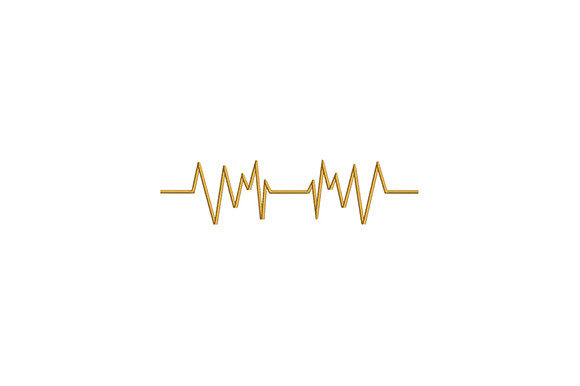
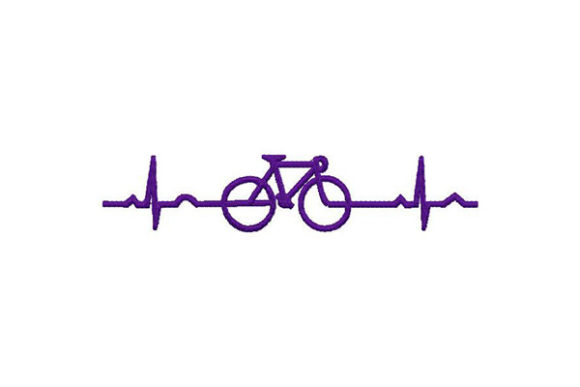
The first thing that strikes you about Pulse on a Bike is its energetic yet balanced composition. It captures a sense of motion without relying on chaotic lines that can be difficult to stitch cleanly. The theme blends the mechanical precision of a bicycle with the organic rhythm of a heartbeat or pulse, creating a visual narrative that feels modern and active. For those of us in the Hobbies and crafting community, finding designs that bridge the gap between sporty aesthetics and heartfelt sentiment is rare.
The layout appears thoughtful, with clear separation between elements. This is crucial because it suggests the design will not become a dense blob of thread on smaller items. The visual personality is versatile; it is playful enough for a child’s item but sleek enough for adult apparel. When I visualize this stitched out, I see it working beautifully on casual wear, where the interplay of satin stitch borders and fill stitch areas can create nice texture contrast.
Real-World Application: The Custom Tote Bag Test
To truly evaluate an embroidery project, you have to imagine it on a specific product. I recently considered using Pulse on a Bike for a custom order involving canvas tote bags. These bags are popular among cyclists and eco-conscious shoppers, making the theme highly relevant. The design’s horizontal orientation fits well across the front panel of a standard tote.
In this scenario, the clarity of the lines is paramount. Canvas has a visible weave, so a design with too much fine detail can get lost. However, Pulse on a Bike seems to rely on bold shapes and clear outlines, which should stand out against the textured background. I would recommend using a heavier weight thread, such as a 40wt rayon or polyester, to ensure the thread colors pop against the natural or dyed canvas. This kind of application transforms a simple bag into a handmade product with genuine character, appealing to buyers looking for unique, non-mass-produced accessories.
Apparel and Personalized Gifts
Beyond totes, this design shines in custom apparel. Imagine it embroidered on the left chest of a heather grey sweatshirt or the back of a lightweight windbreaker. The "pulse" element adds an emotional layer, making it an excellent choice for a personalized gift for a cycling enthusiast, a father, or a fitness coach. For baby embroidery projects, such as a onesie or a nursery wall hanging, the design might need to be scaled down carefully. While the theme is wholesome, the complexity of the bike spokes and pulse line requires a stable fabric to prevent distortion.
For Etsy sellers and small shop owners, this versatility is a major selling point. You can market the same digital embroidery file across multiple categories: holiday gifts for Father’s Day, birthday presents for active friends, or even branding for local bike shops. The key is presenting it correctly in your printable mockup images, showing customers how it looks on different garments.
Technical Considerations and Stitching Performance
While the aesthetic appeal is strong, we must discuss the technical side. Any experienced designer knows that beauty means nothing if the design causes bird nests or fabric puckering. Here is what you need to watch for when stitching Pulse on a Bike.
- Stitch Density: Check the density settings before loading the file. If the fill areas are too dense, they can stiffen the fabric, especially on lighter materials like t-shirts. A moderate density allows the fabric to drape naturally.
- Stabilizer Choice: Because the design likely combines different stitch types, including running stitch details and denser fills, proper stabilization is non-negotiable. Use a cut-away stabilizer for stretchy fabrics like jersey knits to prevent distortion over time. For woven fabrics like cotton or linen, a tear-away might suffice, but test first.
- Fabric Texture: Avoid using this design on highly textured or fuzzy fabrics like fleece or terry cloth unless you use a topping. The fine lines of the pulse or bike spokes could get swallowed by the pile.
- Hoop Size: Ensure your hoop size matches the design dimensions. If you are scaling it down for a cap or a pocket, verify that the smallest details remain visible. Tiny lettering or thin lines can break or look jagged if reduced too much.
It is also wise to consider the fabric texture and color contrast. On dark fabrics, you may need to adjust the underlay or use a lighter thread color to maintain visibility. Always run a test stitch on scrap fabric identical to your final project material. This step saves time, thread, and frustration.
Commercial Viability and Brand Consistency
For those running a craft business, the licensing terms of your design assets are critical. Before selling any finished product featuring Pulse on a Bike, confirm the license included with the embroidery file. Most designers allow commercial use for physical items, but restrictions may apply to digital resale. Assuming the license permits it, this design can enhance your brand’s reputation for quality and creativity.
Using a well-digitized design builds customer trust. When a buyer receives a sweatshirt embroidery or an embroidered patch that looks clean and professional, they are more likely to leave positive reviews and return for future purchases. Pulse on a Bike offers that level of professionalism, provided it is stitched with care. It avoids the common pitfalls of amateur digitizing, such as excessive jump stitches or poor pathing, which can slow down production time.
Final Verdict for Makers and Designers
In the world of Embroidery, finding a design that balances artistic flair with technical reliability is a win. Pulse on a Bike is a strong contender for your library. It is not just a pretty picture; it is a functional design element that can elevate various products, from holiday embroidery gifts to everyday small shop product listings.
My advice is to approach it with a designer’s eye. Test it on different fabrics, play with thread combinations, and consider how it fits your specific niche. Whether you are creating a tote bag design for a local market or a commercial embroidery run for a corporate client, this design offers the flexibility and visual impact needed to succeed. Just remember to check the specific file formats and hoop compatibility provided in the package, as these details vary by seller. With the right preparation, Pulse on a Bike can become a staple in your creative toolkit.