Reviewing Linework Easter Bunny for Spring Projects
As an embroidery designer who spends countless hours digitizing and stitching, I am always on the lookout for designs that balance aesthetic charm with technical reliability. When browsing Creative Fabrica embroidery collections for upcoming seasonal projects, I stumbled upon Linework Easter Bunny. At first glance, it promised a whimsical touch, but I needed to know if it would hold up in a real-world production environment. This review breaks down my experience evaluating this design for potential commercial use, focusing on its suitability for handmade products and small business applications.
First Impressions and Visual Appeal
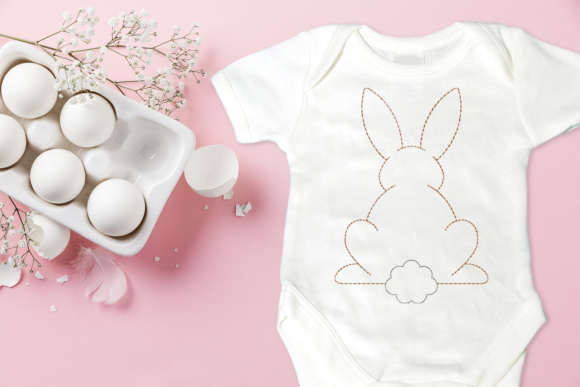
The immediate standout feature of Linework Easter Bunny is its perspective. Featuring a cute little bunny seen from the back, as if it is hopping away, the design offers a narrative quality that static front-facing images often lack. This "catch it before it hops away" motif creates a sense of movement and playfulness. For embroidery designers, this is crucial because it adds personality to a handmade product without requiring complex shading or excessive thread coverage.
The linework style suggests a clean, modern aesthetic. Unlike dense fill designs that can feel heavy on lightweight fabrics, this approach relies on outline and structure. This makes it incredibly versatile for various textiles. The visual mood is light-hearted and innocent, making it a natural fit for nursery decor, baby items, and spring-themed gifts. It does not scream "holiday" in a way that limits its shelf life to a single week; rather, it captures the essence of spring, allowing for broader usage in custom apparel and home goods.
Practical Application in Commercial Embroidery
When considering a digital embroidery file for a small business, versatility is key. I evaluated how Linework Easter Bunny would perform across different product categories. Here is where this design truly shines:
- Tote Bag Design: The simple lines translate beautifully to canvas or cotton tote bags. The open nature of the linework prevents the fabric from puckering, a common issue with dense designs on large surface areas.
- Sweatshirt Embroidery: On fleece or French terry, this design avoids the stiffness that often plagues large chest logos. It sits lightly on the texture, maintaining the garment's drape and comfort.
- Custom Apparel and Caps: For curved surfaces like caps, low-profile designs are essential. This bunny’s compact footprint and lack of bulky underlay make it a strong candidate for headwear, provided the correct stabilizer is used.
- Kitchen Towels and Aprons: The playful theme fits perfectly here. Since these items undergo frequent washing, the simplicity of the stitch pattern suggests better durability, as there are fewer threads to snag or break over time.
For Etsy sellers and craft fair vendors, this design offers excellent potential for personalized gift bundles. Imagine pairing this bunny with a child’s name in a complementary font, or using it as part of a set with other spring animals. The visual appeal is high, yet the production time is likely lower than complex pictorial designs, improving your profit margin per unit.
Technical Considerations and Stitch Performance
While the preview images are enticing, any experienced embroiderer knows that the devil is in the details. Since the product description notes that this machine embroidery design comes with multiple embroidery files, it is vital to check the specific formats compatible with your machine before purchase. However, based on the linework style, there are several technical factors to consider during production.
Stitch Density and Fabric Choice: Linework designs typically utilize running stitches or narrow satin stitches. This means the stitch density is likely lower than a full-fill design. This is advantageous for stretchy fabrics or delicate materials like linen, as it reduces pull and distortion. However, on very loose-weave fabrics, you must ensure your stabilizer is robust enough to support the stitches without them sinking into the weave. A cut-away stabilizer might be preferable for garments that will be washed frequently, while a tear-away could suffice for decorative pillows that see less wear.
Thread Color Contrast: Because the design relies on outlines, thread choice is critical. On dark fabrics, a high-contrast thread color will make the bunny pop, but you must ensure the design includes proper underlay or connecting stitches to prevent gaps. I recommend creating a printable mockup or stitching a test sample on scrap fabric of the same color and weight as your final product. This allows you to verify that the linework remains crisp and does not appear sparse.
Hoop Size and Placement: Although specific dimensions are not listed in the brief description, the "cute little bunny" description suggests a small to medium hoop size. This is beneficial for maximizing hoop efficiency. You can potentially multi-hoop smaller items or fit multiple designs on a larger piece of fabric, reducing waste and increasing throughput for bulk orders. Always confirm the exact hoop size requirements in the file details on the Creative Fabrica product page to avoid last-minute resizing issues, which can distort the aspect ratio and ruin the design's proportion.
Enhancing Product Value and Brand Consistency
In the competitive world of handmade goods, presentation is everything. Linework Easter Bunny contributes to brand consistency by offering a clean, professional look that appeals to modern buyers. It avoids the cluttered appearance of overly complex designs, aligning well with minimalist or rustic brand aesthetics.
For product photography, the simplicity of the design allows it to stand out without overwhelming the item. Whether photographed on a wooden table for a rustic vibe or a plain white background for a clean e-commerce look, the embroidery remains the focal point. This enhances buyer trust, as customers can clearly see the quality of the stitching. High-quality images of finished products featuring this design can significantly boost customer engagement on social media platforms, where visual clarity drives clicks and conversions.
Final Verdict and Best Practices
Is Linework Easter Bunny worth adding to your library? For designers looking for a reliable, charming design that works well across various textiles, the answer is likely yes. Its strength lies in its simplicity and adaptability. It is not just an Easter design; it is a spring staple that can extend your selling season.
Before committing to a large production run, adhere to these best practices:
- Test on Scrap Fabric: Always stitch out the design on the actual fabric you intend to use. Check for registration issues, especially if combining colors.
- Review File Details: Download the package and inspect the included formats. Ensure your machine can read the specific embroidery file type provided.
- Check Licensing: Review the license terms on the Creative Fabrica product page. Confirm that you are allowed to sell finished physical items made with this design, as policies can vary.
- Optimize Stabilization: Match your stabilizer to your fabric. For knits, use cut-away; for wovens, tear-away may suffice. Proper stabilization ensures the linework remains smooth and professional.
In conclusion, Linework Easter Bunny is a thoughtful addition to any design assets collection for spring. It balances ease of stitching with high visual impact, making it an excellent choice for both novice hobbyists and seasoned commercial embroidery professionals. By paying attention to thread contrast and fabric compatibility, you can create stunning, high-value products that customers will love.