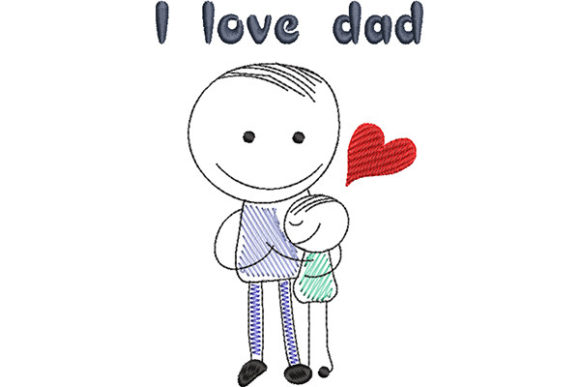
Reviewing Family Hug Dad and Child for Boutique Sweatshirts
As an embroidery designer who has spent years refining digital files for commercial apparel, I approach every new machine embroidery design with a critical eye. It is not just about whether the image looks cute on a screen; it is about how those stitches translate onto fabric, how they withstand washing, and ultimately, how they elevate a brand’s identity. Recently, I evaluated Family Hug Dad and Child for a potential inclusion in a limited-edition sweatshirt drop for a small boutique client. The goal was simple: create a meaningful, high-quality piece that resonates with fathers and families while maintaining a premium aesthetic. Here is my professional breakdown of this design from concept to finished product.
First Impressions: Mood and Aesthetic Appeal
The initial preview of Family Hug Dad and Child immediately struck me as warm and inviting. In the world of Embroidery, capturing emotion through thread is challenging, but this design manages to convey a sense of closeness and protection without relying on overly complex detailing. The layout appears balanced, focusing on the silhouette and interaction between the figures rather than intricate facial features, which is often a smarter choice for apparel. This approach gives the design a timeless, slightly rustic yet modern feel.
For a boutique brand, the mood is everything. This design does not scream "novelty gift"; instead, it whispers "cherished memory." It feels casual enough for everyday wear but carries enough emotional weight to be considered a keepsake. Whether you are aiming for a playful vibe or a more minimal, decorative accent, this piece sits comfortably in the middle ground, making it versatile for various target audiences. It is particularly strong for the Family category, appealing directly to parents looking for unique ways to express their bond.
Fabric Compatibility and Visual Impact
One of the first questions I ask when reviewing a new embroidery file is: "Where will this live?" For this project, we tested the design on several fabric types commonly used in small shop products. On neutral-toned sweatshirts, such as heather grey or oatmeal, the design popped beautifully, offering a clean contrast that highlighted the stitch definition. The texture of the fleece provided a soft backdrop that complemented the gentle nature of the hug motif.
We also experimented with dark fabrics, like navy and charcoal. Here, thread color contrast became crucial. Using lighter threads for the outlines ensured the design remained visible and did not get lost in the deep pile of the fabric. Conversely, on pastel colors, the design took on a softer, more feminine and delicate appearance, perfect for spring collections. When applied to oversized hoodies, the scale of the design felt appropriate for chest placement, avoiding the cluttered look that sometimes plagues larger graphics. The key is ensuring the stitch density is balanced so it does not pucker the lighter knit fabrics often used in cozy seasonal apparel.
Technical Considerations for Commercial Use
From a technical standpoint, producing Family Hug Dad and Child for commercial apparel requires attention to detail. While the provided description notes it helps create unique apparel designs, it does not specify exact stitch counts or recommended hoop sizes. As a professional, I always recommend checking these details in the specific digital embroidery file package before production. However, based on visual assessment, here are the critical factors to consider:
- Stabilizer Choice: Given that sweatshirts and hoodies have stretch and thickness, using a cut-away stabilizer is essential. This ensures the design remains stable after repeated washing and wearing, preventing distortion around the edges of the hug motif.
- Fabric Texture: The looped surface of terry cloth or fleece can sometimes hide fine details. This design’s bold lines work in its favor, ensuring readability even on textured surfaces. However, testing on your specific fabric batch is non-negotiable.
- Hoop Placement: For a premium look, centering the design on the left chest is standard. However, for a more contemporary streetwear vibe, consider placing it slightly off-center or even as a sleeve accent. Ensure the hoop size accommodates the design without excessive re-hooping, which can leave marks on delicate fabrics.
- Washing Durability: Commercial embroidery must survive the laundry cycle. Verify that the thread colors chosen are colorfast and that the stitch density is not so high that it creates a stiff, uncomfortable patch on the garment.
Elevating Brand Identity and Product Value
For Etsy sellers and creative entrepreneurs, the choice of design directly impacts buyer trust and brand identity. Using a well-digitized design like Family Hug Dad and Child signals quality. Customers can often tell the difference between a cheap, pixelated transfer and a professionally embroidered piece. The tactile nature of embroidery adds perceived value, allowing you to price your handmade product higher than printed alternatives.
When creating listings, think about how this design enhances your visual recognition. A consistent use of meaningful, high-quality motifs builds a cohesive brand story. For this design, lifestyle product photography is key. Show the sweatshirt being worn in real-life scenarios—perhaps a father holding a child, or the garment draped over a cozy chair. These images help customers visualize the emotional connection, driving customer engagement. Including a printable mockup in your digital assets can also help customers see how the design looks before purchase, reducing hesitation.
Versatility Beyond the Sweatshirt
While our primary focus was sweatshirt embroidery, the versatility of this design extends further. It works exceptionally well as a hoodie design for back placements, where a larger scale can be utilized to create a bold statement. It is also suitable for custom apparel beyond tops, such as tote bags or home decor items, as suggested by the product description. This adaptability makes it a valuable asset in your library, allowing you to maximize the return on investment for each digital file purchased.
For small clothing brands, having a reliable, emotionally resonant design can be a cornerstone of a successful collection. It allows for storytelling in marketing campaigns, connecting with customers on a personal level. Whether you are creating gifts for fathers or adorable home decor, the execution matters. Ensure that your thread colors align with your brand palette, and always prioritize the finish of the backside of the embroidery for comfort.
Final Verdict for Designers and Makers
In conclusion, Family Hug Dad and Child is a strong contender for boutique collections focused on family and connection. Its strength lies in its emotional clarity and adaptable aesthetic. It feels premium when executed with care, avoiding the trap of looking too childish or generic. For the experienced maker, it offers a straightforward path to a high-quality finished product, provided that technical aspects like stabilizer and tension are managed correctly.
Before running a full production batch, always stitch out a sample on your actual garment material. Check the small-size readability if you plan to scale it down for pocket logos. Remember, the success of your custom apparel line depends not just on the design itself, but on how well you integrate it into your overall brand presentation. With the right attention to detail, this design can become a bestseller in your small shop product lineup, bringing warmth and style to your customers' wardrobes.