Review: Beach Scene with Chairs Embroidery Design
As a designer who spends more time staring at stitch maps than actual thread spools, I have learned that not every machine embroidery design translates well from screen to fabric. Some look crisp in the digital preview but turn into a tangled mess of puckering and broken needles once the hoop starts moving. When I first pulled up the Beach Scene with Chairs file, my initial reaction was cautious optimism. The preview suggested a relaxed, coastal vibe, but I needed to know if it would hold up under the scrutiny of a real-world embroidery project.
First Impressions and Visual Mood
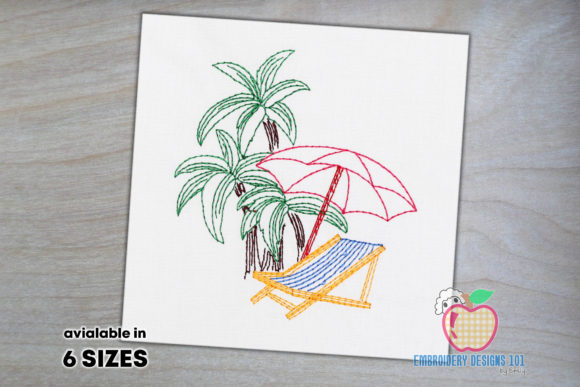
The immediate appeal of this design lies in its composition. It captures that specific, lazy-afternoon feeling of a day at the shore without relying on cliché or overly complex detailing that often plagues coastal themes. The layout feels balanced, with the chairs anchoring the scene and providing a clear focal point. For an Etsy seller or a craft business owner, visual clarity is everything. Customers scrolling through a feed need to understand the image instantly. This design achieves that. It does not scream for attention; instead, it invites a second look, which is exactly what you want for a personalized gift or a boutique item.
The level of detail is moderate. It avoids the trap of excessive micro-detailing that can disappear on textured fabrics. This makes it versatile. Whether you are aiming for a modern, minimalist aesthetic or a more traditional, homey look, the Beach Scene with Chairs adapts well. It feels like a design that belongs on high-quality home goods rather than cheap promotional swag.
Real-World Application: The Tote Bag Test
To truly evaluate a design, you have to imagine it on a product. I mentally placed this design on a heavy canvas tote bag design. This is a popular item for summer markets and beachside boutiques. On canvas, the stitches need to be dense enough to cover the weave but not so dense that they cause the bag to stiffen uncomfortably.
In this scenario, the Beach Scene with Chairs performs admirably. The broader areas of the chairs and the sand likely utilize fill stitch patterns that provide good coverage. If you are creating a handmade product line, consistency is key. This design offers a professional look that elevates the perceived value of the item. It does not look like a afterthought; it looks like intentional art. For a small shop product, this distinction matters. It builds customer trust because the finished product looks curated, not just printed.
Apparel and Custom Gifts
Moving beyond bags, I considered this design for custom apparel. Imagine a linen button-down shirt or a lightweight cotton sweatshirt. Here, the stakes are higher. Fabric movement and drape become critical. If the stitch density is too high, the garment will pull and pucker around the design, ruining the silhouette.
For sweatshirt embroidery, this design could work beautifully on the back or as a smaller chest pocket accent. The relaxed theme pairs naturally with casual wear. However, for thinner fabrics like a standard t-shirt, I would advise caution. You must use a high-quality cut-away stabilizer to support the stitches. Without proper stabilization, the weight of the thread could distort the fabric, especially if the design includes larger solid areas. For baby embroidery, such as on a onesie or a burp cloth, the softness of the final product is paramount. I would recommend testing the design on scrap fabric first to ensure the back of the stitching is not too rough against sensitive skin.
Technical Considerations for Stitching
Every designer knows that the devil is in the details. When working with a scene-based design like this, you must pay attention to how different stitch types interact. Does the design use satin stitch for outlines? Satin stitches can look luxurious but are prone to snagging if they are too long or if the item will be washed frequently. If the chairs have thin legs or armrests rendered in satin stitch, consider reinforcing them or adjusting the width in your editing software if you have the skills.
Running stitch elements, often used for finer details like shadows or texture in the sand, add depth without adding bulk. This is a positive trait for items that need to remain flexible, such as embroidered patch applications or curved surfaces like caps. Speaking of caps, placing a horizontal scene on a curved front panel requires careful hooping. You must ensure the design is centered perfectly, as any asymmetry will be glaringly obvious on a hat.
One critical factor is color contrast. The Beach Scene with Chairs relies on a specific palette to convey its mood. If you are stitching on a dark fabric, you cannot simply use the default thread colors. You must adjust the thread colors to ensure visibility. A navy chair on a black shirt will vanish. I always recommend creating a black-and-white mockup of the design to check for value contrast. If the design loses its definition in grayscale, it will likely lack impact in real life, regardless of the thread hues you choose.
Navigating Fabric and Hoop Constraints
Not every fabric is created equal. While the product description claims it looks outstanding on any type of fabric, experienced makers know this is rarely true without adjustments. Textured fabrics like terry cloth or waffle weave can swallow small details. If the Beach Scene with Chairs has intricate elements, they may get lost in the pile of a towel. In such cases, this design might be better suited for smooth cottons, linens, or denim.
Hoop size is another practical constraint. You need to confirm the dimensions of the design before purchasing. If it requires a 5x7 hoop, you cannot easily shrink it for a 4x4 machine without losing resolution or causing stitch overlap issues. Always check the available embroidery file formats to ensure compatibility with your specific machine brand. While many modern machines accept multiple formats, having the native file for your brand can sometimes offer better editing control.
Commercial Viability and Branding
For those using this as a commercial embroidery asset, licensing is non-negotiable. Before selling any finished product featuring this design, verify the license terms. Can you sell physical items? Can you use it in printable mockup listings? Clear licensing protects your craft business from legal issues and ensures you are respecting the creator's rights.
From a branding perspective, this design fits well within the "coastal grandma," "summer vacation," or "relaxed lifestyle" niches. It appeals to buyers looking for holiday embroidery gifts, particularly for summer birthdays, housewarmings, or bridal showers. It creates an emotional connection, evoking memories of calm days by the water. This emotional resonance drives sales. When a customer sees this on a pillow cover or a kitchen towel, they are not just buying thread on fabric; they are buying a feeling.
Final Verdict and Designer Notes
The Beach Scene with Chairs is a strong contender for your digital library. It offers a balance of aesthetic appeal and technical feasibility. However, success depends on your execution. Here are my final recommendations:
- Test on scraps: Never stitch a new design directly on your final garment. Use similar fabric scraps to test tension and density.
- Check stabilizer: Match your stabilizer to the fabric weight. Heavy fabrics need less support; light fabrics need more.
- Verify details: Since exact stitch counts and formats are not detailed here, download the sample or check the seller's specifications to ensure it fits your hoop and machine capabilities.
- Consider the end-use: If the item will be washed frequently, ensure the stitch paths are secure and consider using polyester thread for durability.
In conclusion, this design is a versatile tool for makers who understand their materials. It is not just a pretty picture; it is a functional asset that, when handled with care, can enhance your product line and delight your customers. Treat it with the respect it deserves, and it will serve your design assets portfolio well.