Review: Penguin Fighting off the Virus Design
As a designer who has spent countless hours digitizing and testing machine embroidery patterns, I have learned that a concept is only as good as its execution on fabric. When I first loaded the Penguin Fighting off the Virus file into my editing software, I was immediately struck by the timeliness and whimsical nature of the theme. It is not just a cute bird; it is a narrative piece that captures a specific moment in time with humor and resilience. For those of us in the craft business, finding designs that balance emotional resonance with technical stitchability is rare. This design, categorized under Birds, offers a unique opportunity for Embroidery professionals to create meaningful, conversation-starting pieces.
First Impressions and Visual Personality
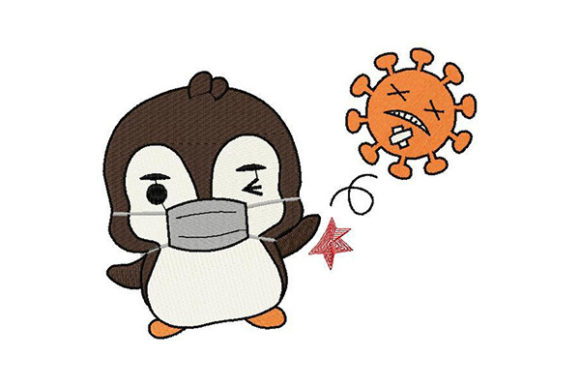
The initial visual impact of this design is playful yet determined. The penguin, typically associated with cold, distant landscapes, is reimagined here as an active protagonist. The layout suggests a dynamic pose, likely utilizing a mix of satin stitch for the sleek black and white feathers and fill stitch for any textured elements like the virus representation or background details. From a reviewer’s standpoint, the charm lies in the contrast. You have the soft, approachable aesthetic of a penguin juxtaposed with the sharp, spiky imagery of a virus being fought off. This creates a mood that is both lighthearted and empowering, making it an excellent choice for personalized gifts that aim to uplift the recipient.
What stands out most is the potential for thread color play. While traditional penguins are black and white, this design invites creativity. Will you stick to classic monochrome for a timeless look, or introduce subtle blues and grays to add depth? The effectiveness of the design relies heavily on how well these colors separate against the fabric texture. In my experience, designs with strong silhouettes like this one perform best when there is high contrast between the subject and the background, ensuring the "fighting" action is clearly visible even from a distance.
Real-World Application: The Custom Tote Bag Scenario
To truly evaluate a machine embroidery design, I always imagine it on a finished product. Let’s consider a real-life scenario: a customer orders a custom tote bag for a healthcare worker or a teacher returning to school post-pandemic. They want something that acknowledges the struggle but celebrates strength. Here, Penguin Fighting off the Virus shines. Placed centrally on a sturdy canvas tote bag design, the penguin becomes a mascot of resilience.
When stitching this onto a tote, the fabric stability is crucial. Canvas provides a firm base, allowing the stitch density to sit flat without puckering. However, if you were to apply this same embroidery file to a thinner material, such as a cotton blouse or a lightweight jacket, the outcome would differ significantly. On a sweatshirt, the loft of the fleece can sometimes swallow finer details, so I would recommend checking the stitch count and density settings. If the design features tiny running stitch details outlining the virus spikes, these might get lost in the pile of a thick fleece. In such cases, using a cutaway stabilizer is non-negotiable to support the weight of the stitches and maintain the integrity of the handmade product.
Versatility Across Product Lines
One of the strongest assets of this design is its versatility. It looks great on T-shirts, blouses, jackets, towels, and mostly any piece of fabric, provided you adjust your technique accordingly. For an Etsy seller or small shop owner, this versatility translates to multiple revenue streams. You can offer it as part of a holiday embroidery collection, a back-to-school series, or even as a standalone humorous patch.
- Apparel: On a left-chest position of a polo or jacket, the design acts as a subtle badge of honor. Ensure the hoop size accommodates the width without distorting the garment seams.
- Home Decor: Imagine this on a kitchen towel or apron. The whimsical nature fits perfectly in a domestic setting, adding a touch of personality to everyday items.
- Baby Items: For baby embroidery, softness is key. If applying this to a onesie, use a soft tear-away stabilizer and ensure no scratchy backing remains against the skin. The playful theme appeals to parents looking for unique, non-generic baby clothes.
- Patches: Creating an embroidered patch allows for maximum control. You can stitch it on heavy-duty twill, trim close to the satin stitch border, and apply it via iron-on or velcro. This is ideal for caps or bags where direct embroidery might be difficult due to curved surfaces.
Technical Considerations and Stitching Advice
While the concept is strong, practical execution requires attention to detail. The description notes to use proper stabilizers depending on the fabric used, and this cannot be overstated. When working with stretchy fabric, such as jersey knits for T-shirts, a cutaway stabilizer is essential to prevent the design from warping after washing. For woven fabrics like linen or cotton, a tear-away may suffice, but test it first.
I also advise reviewing the stitch density before hitting "start." Dense areas, particularly if the virus element is heavily filled, can cause needle breaks or fabric perforation if the tension is too tight. Always test the design on scrap fabric identical to your final project material. This step allows you to check thread color contrast and inspect small details. Does the penguin’s eye register clearly? Are the edges of the virus shape crisp, or do they look jagged? These observations determine whether the finished product looks professional or amateurish.
Another critical factor is the hoop size. Ensure your machine’s hoop can accommodate the full dimensions of the design without needing to re-hoop, which can lead to alignment issues. If the design is large, consider breaking it down or choosing a larger hoop capability machine. For curved surfaces like caps, use a cap frame and appropriate backing to keep the fabric taut and smooth during stitching.
Commercial Viability and Brand Consistency
For commercial embroidery projects, consistency is key. If you are building a brand around uplifting, humorous, or resilient themes, Penguin Fighting off the Virus fits seamlessly into that narrative. It enhances buyer engagement because it tells a story. Customers are not just buying a stitched image; they are buying a sentiment. This emotional connection increases the perceived value of the handmade product.
However, always confirm licensing before selling finished items or digital products. As a digital embroidery file, it is vital to know if the creator allows for unlimited commercial use or if there are restrictions on the number of physical items sold. Transparency with your customers about the origin of your design assets builds trust and professionalism.
Final Verdict for Designers and Makers
In conclusion, Penguin Fighting off the Virus is a robust addition to any designer’s library. It balances thematic relevance with aesthetic appeal, offering ample opportunity for creative interpretation through thread choices and fabric selections. Whether you are creating a personalized gift for a friend, stocking your Etsy shop with unique apparel, or designing boutique merchandise, this pattern holds up well under scrutiny. Just remember to respect the technical requirements: stabilize properly, test on scraps, and mind your stitch density. With these precautions, this design will deliver a high-quality, engaging finished product that resonates with your audience.