Psychedelic Eye: A Designer’s Review for Craft Fairs
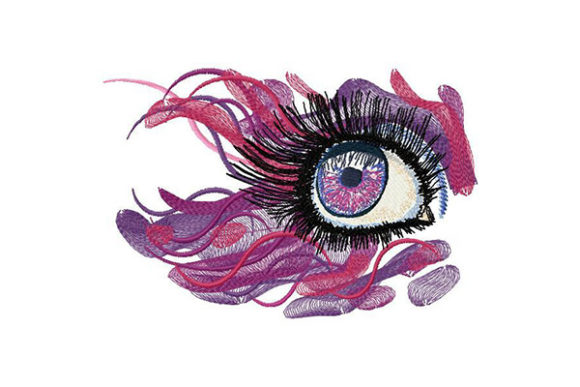
As an embroidery designer who has spent countless weekends behind a folding table at local markets, I know that the difference between a browser and a buyer often comes down to visual impact. When I first loaded the Psychedelic Eye machine embroidery design onto my screen, my immediate reaction was one of intrigue. This is not a subtle, farmhouse-style motif or a minimalistic accent. It is bold, artistic, and undeniably eye-catching. For craft fair sellers and handmade shop owners, this type of high-contrast, artsy aesthetic can be a powerful tool for stopping foot traffic.
The product description notes that this beautiful Psychedelic Eye embroidery design looks almost like a painting. In the world of Fashion and Embroidery, achieving a painterly effect with thread is no small feat. It suggests a complexity in stitch placement that mimics brushstrokes rather than traditional satin or fill stitches. For an Etsy seller or boutique maker, this translates to a premium look that elevates a basic garment into a statement piece. But does it hold up under the harsh lighting of a convention center or the scrutiny of a close-up online photo? Let’s break it down from a production and sales perspective.
Visual Impact and First Impressions
The primary strength of the Psychedelic Eye is its ability to command attention. In a crowded booth filled with pastel florals and rustic quotes, a psychedelic, multi-colored eye stands out as modern and edgy. It appeals to a demographic looking for unique, expressive wearables rather than traditional decor. When evaluating this as a craft fair product, consider the "three-second rule." Can a customer walking past your table understand what the design is and appreciate its quality within three seconds? With its vibrant thread colors and intricate detailing, this design passes that test effortlessly.
However, the "painting-like" quality implies a higher stitch density. This is crucial for both aesthetic and practical reasons. High-density designs look luxurious and solid, but they require careful handling. On a tote bag design or a sturdy canvas market bag, this density adds weight and structure, which customers often associate with high-quality handmade products. On lighter fabrics, such as a thin cotton blouse, you must be cautious about puckering. The visual appeal is undeniable, but the execution must be flawless to maintain that premium perception.
Best Product Applications for Maximum Sales
Not every item in your inventory is a suitable canvas for such a bold graphic. Based on my experience turning digital embroidery files into finished products, here is where the Psychedelic Eye shines:
- Tote Bags and Market Bags: This is arguably the best application. The large, flat surface area allows the design to breathe. A psychedelic eye centered on a natural canvas tote creates an instant artsy vibe that appeals to students, artists, and eco-conscious shoppers.
- Apron Embroidery: For the creative entrepreneur selling to other makers, an apron featuring this design becomes a uniform for the artistic soul. It signals creativity and individuality, making it a strong seller at maker-focused events.
- Embroidered Patches: If the design scales well, turning it into an iron-on or sew-on patch is a brilliant move. Patches are low-commitment purchases for customers who love the art but don’t need a new bag. They also allow you to pre-produce inventory without worrying about garment sizes.
- Pillow Covers: A velvet or heavy linen pillow cover with this focal point can transform a living room. It works best as a single, central motif rather than an all-over pattern.
Conversely, be cautious with tea towel embroidery. While popular, the textured weave of typical flour sack towels can interfere with the fine details of a painterly design. If the stitch density is too high for the loose weave, the towel may pucker excessively, ruining the drape. Always test on your specific fabric texture before committing to a batch.
Production Realities and Technical Considerations
Turning a digital embroidery file into a consistent small shop product requires rigorous testing. The description mentions that the design comes with multiple embroidery fil, which likely refers to file formats compatible with various machines. However, it does not specify exact hoop size requirements or stitch counts. As a professional, I advise you to check these details immediately. If the design requires a 5x7 or 6x10 hoop, you cannot easily adapt it for smaller items like caps or coin purses without resizing, which may compromise clarity.
Here are critical production notes to consider before you start stitching:
- Stabilizer Selection: Given the potentially dense nature of a "painting-like" design, a cut-away stabilizer is likely necessary for knit fabrics like t-shirts to prevent distortion. For woven fabrics like tote bags, a tear-away might suffice, but test for stability.
- Thread Contrast: The psychedelic nature relies on color transitions. Use high-quality rayon or polyester threads that have a sheen to enhance the painterly effect. Matte cotton threads may make the design look flat and lose its depth.
- Fabric Color: This design will likely pop best on neutral backgrounds—white, black, denim, or natural canvas. On busy prints or dark fabrics, ensure the design includes enough light-colored stitches to remain visible. If the design lacks underlay or border stitches for contrast, it may get lost on black fabric.
- Curved Surfaces: Avoid placing this large, detailed design on curved cap surfaces unless you have extensive experience with cap frames. The distortion can make the eye look warped, detracting from the artistic intent.
Marketing and Brand Consistency
For commercial embroidery businesses, consistency is key. The Psychedelic Eye fits perfectly into a brand identity that is modern, eclectic, and bold. It does not fit a rustic, vintage, or minimalist brand. Ensure that this design aligns with your overall aesthetic. If your booth is a mix of disparate styles, this design might feel out of place. However, if you are curating a collection of artsy, statement pieces, it serves as an anchor product.
When creating listings for your online store, leverage the visual strength of this design. Use a printable mockup to show how it looks on different garments, but always include photos of the actual stitched product. Close-up shots that highlight the stitch texture and color blending will prove the quality to potential buyers. Mention that it is a unique, hand-finished item to justify a higher price point. The perceived value of a design that looks like a painting is significantly higher than a standard logo stitch-out.
Finally, always confirm commercial licensing before selling finished products. While you are buying a digital embroidery file, the rights to sell the physical items made from it must be clear. Assuming you have the right to use it for commercial embroidery, this design offers a fantastic opportunity to differentiate your handmade product line. It transforms simple blanks into conversation starters, driving engagement and sales at your next craft fair.
In conclusion, the Psychedelic Eye is a high-potential asset for the right seller. It demands respect in production—requiring good stabilizer, quality thread, and appropriate fabric—but rewards that effort with a standout product that captures attention and conveys artistic value. Test it on scrap fabric, refine your technique, and let this bold design elevate your booth display.