Happy Pumpkin Face: A Designer’s Review for Craft Fairs
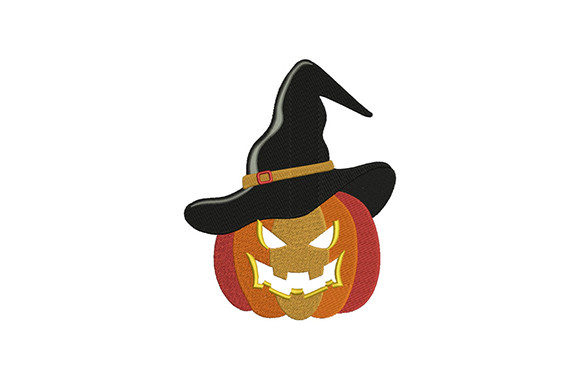
As an embroidery designer who has spent countless weekends behind a booth table, I know that the difference between a design that sits idle and one that sells out by noon often comes down to immediate visual impact. When I first loaded the Happy Pumpkin Face machine embroidery design into my software, my primary question was not about technical perfection, but about marketability. Does this design stop a shopper in their tracks? For those of us running small shop products or selling as an Etsy seller, the answer is almost always yes. This design captures a specific mood that is essential for seasonal success: approachable festivity.
First Impressions and Visual Appeal
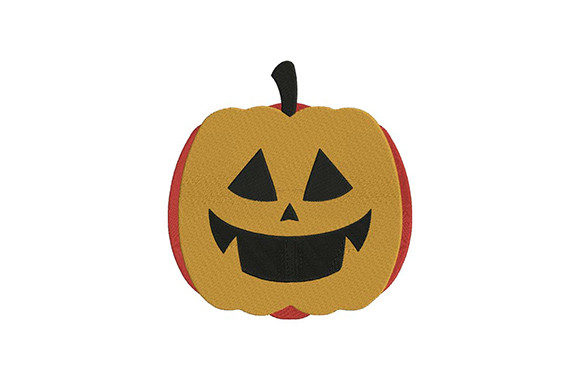
The title itself suggests a tone that is far removed from the spooky or grotesque elements often associated with Halloween. Instead, Happy Pumpkin Face leans into the cute, farmhouse, and friendly side of the holiday. In a craft fair setting, this is a strategic advantage. Many customers are looking for decor that fits a family-friendly home or gifts for children, and a smiling pumpkin face bridges that gap perfectly. The use of only three colors is a significant strength here. In embroidery, simplicity often translates to clarity. A limited color palette ensures that the design remains bold and easy to understand at a glance, even from a distance across a crowded aisle.
When evaluating the aesthetic, I look for balance. A design that is too dense can look heavy on lightweight fabrics, while one that is too sparse might lack presence. Based on the description, this digital embroidery file appears to be optimized for quick production without sacrificing charm. The "happy" expression likely utilizes clean lines and open spaces, which prevents the stitching from becoming a tangled mess on textured materials. This makes it an ideal candidate for a wide range of handmade products, from rustic burlap sacks to crisp cotton tea towels.
Product Versatility for the Weekend Market
One of the most critical aspects of reviewing a new design is determining where it performs best. I imagine setting up a table display with various items, and Happy Pumpkin Face shines in several key categories. First, consider the tote bag design market. Tote bags are staple craft fair products because they are practical and serve as walking advertisements for your brand. Embroidering this pumpkin face on a natural canvas tote creates an instant autumnal accessory. The three-color scheme allows for creative thread choices; you might use traditional orange and green, or pivot to modern neutrals like mustard, cream, and slate for a more sophisticated look.
Apron embroidery is another high-value application. Kitchen textiles sell exceptionally well during the fall season as people prepare for holiday cooking. Placing the Happy Pumpkin Face on the bib of an apron creates a focal point that is both decorative and functional. Similarly, tea towel embroidery benefits from the design’s likely clean edges. Towels have a loose weave, so designs with excessive detail or tiny lettering can get lost. A bold, happy face maintains its integrity on terry cloth or waffle weave fabrics, ensuring the product looks professional rather than messy.
For smaller items, consider embroidered patches. These are popular with younger demographics and can be applied to denim jackets, backpacks, or hats. Because the design is contained and uses limited colors, it stitches out quickly, making it cost-effective for batch production. Caps are another excellent venue, though they require careful handling. The curved surface of a cap can distort complex designs, but a centered, symmetrical pumpkin face typically hoops well and remains legible. Pillow covers and fabric pouches also benefit from this motif, turning simple home goods into seasonal treasures.
Production Practicality and Stitch Quality
From a production standpoint, efficiency is king. When preparing for a busy market season, I need designs that are repeatable. The fact that this machine embroidery design comes in a vast array of embroidery file formats—including DST, PES, JEF, EXP, and VIP—means it is compatible with almost every major hoop arm system. This versatility is crucial for designers who own multiple machines or who outsource parts of their production. However, before committing to a large run, I always advise checking the specific stitch density. While the description does not provide an exact stitch count, a three-color design of this nature is typically optimized for speed.
It is vital to test the design on scrap fabric before launching your finished product line. Pay close attention to how the thread colors interact with your chosen fabric texture. On dark fabric, you may need to adjust underlay stitches or choose brighter thread shades to ensure the Happy Pumpkin Face pops. Conversely, on light fabrics, ensure that any satin columns are dense enough to prevent the background from showing through. Using the right stabilizer is non-negotiable; cut-away stabilizer is generally best for stretchy fabrics like tote bags, while tear-away works well for stable woven cottons used in tea towels.
Marketing and Online Presence
In today’s hybrid market, your physical booth is only half the battle. You must also consider how Happy Pumpkin Face photographs for online listings. A design with clear, distinct shapes and high contrast photographs beautifully. It creates strong printable mockup opportunities for your Etsy shop or website. When creating design assets for social media, the cheerful nature of the pumpkin invites engagement. It feels warm and inviting, which encourages buyers to imagine the item in their own homes. This emotional connection drives sales far more effectively than a generic or overly complex pattern.
For commercial embroidery purposes, ensure you understand the licensing terms. If you are purchasing this as a digital embroidery file for resale, confirm that you have the rights to sell the finished product. Most designers allow this, but it is always wise to double-check. Once confirmed, you can confidently market these items as unique, handmade creations. The consistency of the design across different products helps build brand recognition. If a customer buys a tote bag with the Happy Pumpkin Face, they are more likely to return for a matching pillow cover or apron, increasing your average order value.
Final Designer Notes for Success
To maximize the potential of this design, keep a few final tips in mind. First, hooping accuracy is essential. Ensure your hoop size matches the design dimensions to avoid clipping any part of the pumpkin’s expression. Second, consider the thread quality. High-sheen rayon or durable polyester threads can change the perceived value of the item. Rayon offers a luxurious shine that elevates the look, while polyester provides durability for items like tote bags that will see heavy use. Finally, create a cohesive display. Group your Happy Pumpkin Face items together to create a visual block of color and theme. This draws the eye and signals to customers that you have a curated collection ready for the season.
In conclusion, Happy Pumpkin Face is more than just a seasonal motif; it is a versatile tool for the serious craft entrepreneur. Its simplicity, charm, and adaptability make it a strong contender for best-selling status at your next craft fair. By paying attention to fabric choice, stabilizer selection, and presentation, you can transform this digital file into a tangible revenue stream that delights customers and enhances your brand’s reputation for quality handmade goods.