Placemat Roses Redwork: A Designer’s Review
As an embroidery designer who has spent years digitizing and reviewing files for commercial use, I approach every new machine embroidery design with a critical eye. It is not enough for a pattern to look pretty on a screen; it must perform under the needle, withstand washing, and elevate the brand it represents. Today, I am reviewing Placemat Roses Redwork, a design categorized under House and Embroidery, to determine its viability for small business merchandise, branded patches, and custom apparel.
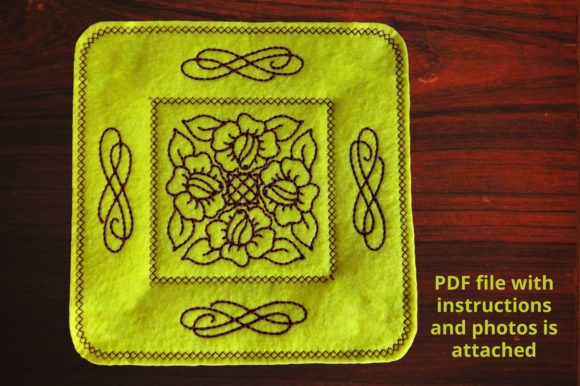
The initial impression of Placemat Roses Redwork is one of understated elegance. The term "redwork" historically refers to monochromatic embroidery, often in red thread on white fabric, known for its simplicity and charm. This design promises to create unique and elegant placemats, adding a creative touch to any home. For a business owner, this aesthetic translates to a vibe that is rustic, handmade, and premium. It does not scream for attention with loud colors or complex shading; instead, it relies on clean lines and classic floral motifs. This makes it an excellent candidate for brands that value tradition, warmth, and artisanal quality.
Evaluating Visual Personality for Brand Identity
When integrating a new digital embroidery file into your brand identity, consistency is key. Placemat Roses Redwork exudes a friendly yet professional demeanor. It feels decorative without being overly busy. For a boutique hotel, a local bakery, or a florist, this design reinforces a narrative of care and attention to detail. It suggests that the business values the handmade product experience. However, for a tech startup or a modern industrial brand, this style might feel too traditional. Understanding where this design fits is crucial for maintaining visual consistency across your design assets.
The simplicity of redwork is its greatest strength for branding. Because it typically uses a single thread color, it is highly versatile. You can easily adapt the thread color to match your corporate palette. Imagine this rose motif embroidered in navy blue on a white chef’s apron, or in forest green on a canvas tote bag. The ability to change thread colors while maintaining the integrity of the design allows for seamless integration into various small business merch lines.
Real-World Applications for Small Business Merch
Beyond its intended use for placemats, Placemat Roses Redwork has significant potential in broader commercial embroidery projects. Let us explore how this design performs in real-world scenarios for apparel decorators and crafters.
- Embroidered Patches: This design is ideal for creating woven or embroidered patches. The clear outlines of the roses translate well to patch formats. You can produce these as add-ons for customer orders or as standalone products on Etsy. Ensure you check the stitch density to prevent the patch from becoming too stiff.
- Apron Embroidery: For cafes and bakeries, staff uniforms are a walking advertisement. Embroidering this rose motif on the chest pocket or hem of an apron adds a touch of sophistication. It elevates the uniform from generic workwear to a curated part of the customer experience.
- Tote Bag Design: Canvas tote bags are a staple for retail shops. Placing this redwork design on the corner of a tote bag creates a subtle, high-end look. It serves as a custom apparel statement that customers will actually want to wear and use, increasing brand visibility.
- Cap Embroidery: While possible, using this design on caps requires caution. The curved surface of a cap front can distort detailed floral patterns. If used here, it should be scaled down significantly and placed on the side panel rather than the center front to maintain clarity.
Technical Considerations and Production Notes
Before running a full production batch, any experienced embroiderer knows that testing is non-negotiable. Here are my practical notes for working with Placemat Roses Redwork.
First, always test the design in black and white. This helps you evaluate the contrast and line weight without the distraction of color. If the design holds up in monochrome, it will likely succeed in color. Next, pay close attention to the hoop size. The product description mentions placemats, which implies a larger format. If you intend to use this on smaller items like pockets or patches, you must resize the file. Always check if the design retains its clarity when scaled down. Tiny details can merge or break if the scale is too small.
Fabric texture plays a major role in the final outcome. Redwork looks stunning on smooth, tight-weave cottons or linens. However, on textured fabrics like terry cloth or heavy denim, the fine lines may get lost. In such cases, consider using a cutaway stabilizer to provide a firm foundation and prevent puckering. For items that require frequent washing, such as kitchen linens or staff uniforms, ensure your stitch count and density are optimized for durability. High stitch density can make fabric stiff, while low density may lead to unraveling over time.
Strategic Use for Customer Engagement
Using Placemat Roses Redwork as part of your marketing strategy can enhance customer trust and engagement. A beautifully embroidered item feels more valuable than a printed one. When you gift a client a napkin or tote bag featuring this design, you are sending a message of quality. It turns a simple transaction into a memorable experience. For Etsy sellers, offering personalized items with this motif can differentiate your shop from competitors selling mass-produced goods.
Create a printable mockup before stitching. Show clients how the design will look on their specific garment or product. This step manages expectations and reduces the risk of dissatisfaction. Compare the finished embroidery beside other design assets to ensure it complements your logo and typography. The goal is a cohesive look that strengthens brand recognition.
Where to Use Caution
While versatile, this design is not suitable for every application. Avoid using it on dark uniforms unless you are certain the contrast will be sufficient. Redwork traditionally relies on light backgrounds. If you must embroider on dark fabric, consider changing the thread color to white or a light pastel, but test first to ensure the redwork aesthetic is preserved. Additionally, be wary of using this design on items with complex seams or zippers nearby, as the hoop placement might be restricted.
Always verify the commercial licensing terms of the embroidery file before using it for business purposes. Not all digital files allow for unlimited commercial production. Confirm these details to protect your business from legal issues. If the stitch count or specific file formats are not clearly provided in the description, contact the designer or vendor for clarification before purchase.
Final Verdict for Business Owners
Placemat Roses Redwork is a strong contender for small businesses looking to add a touch of elegance to their merchandise. Its classic style, adaptability to different thread colors, and suitability for various textiles make it a valuable asset. Whether used for apron embroidery, branded patches, or home decor items, it enhances the perceived value of the finished product. By following proper testing protocols and considering the technical constraints of your chosen fabric, you can leverage this design to create compelling, high-quality branded goods that resonate with your customers.