Review: Fire First Aid Box Kit for Custom Gifts
As an embroidery designer who has spent years testing digital files for real-world application, I approach every new machine embroidery design with a mix of curiosity and caution. We all know that what looks perfect on a screen does not always translate seamlessly to fabric. Recently, I had the opportunity to test the Fire First Aid Box Kit, a design categorized under Work and Embroidery, to see if it holds up for personalized gift products. My goal was simple: determine if this file is ready for my shop’s upcoming seasonal collection and whether it meets the high standards my customers expect from a handmade product.
First Impressions and Emotional Appeal
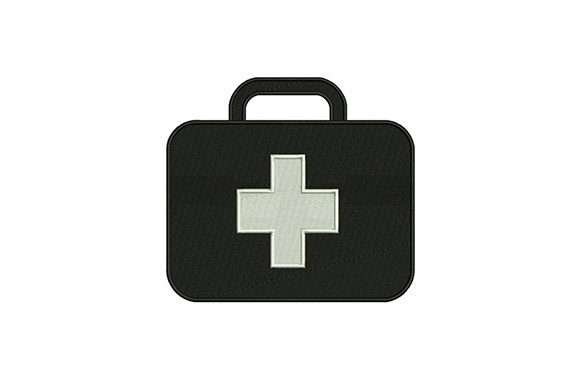
When I first loaded the preview of the Fire First Aid Box Kit, I was struck by its thematic clarity. In the world of custom embroidery, clarity is king. This design does not try to be overly abstract; instead, it leans into a recognizable, functional aesthetic that evokes safety, care, and preparedness. The mood is practical yet charming, striking a balance between industrial utility and homey comfort. It feels modern in its simplicity but classic in its execution.
For a crafter or an Etsy seller, this emotional resonance is crucial. The design appeals to a specific niche: those who value safety, perhaps working in emergency services, or families who want to label their emergency supplies with a touch of personality. It is not necessarily "romantic" or "whimsical," but it possesses a quiet elegance that speaks to responsibility and care. This makes it an excellent candidate for gifts that are meant to be both useful and meaningful.
Versatility Across Product Lines
The true test of any embroidery file is its versatility. I imagined several scenarios where the Fire First Aid Box Kit could shine. Here is how I envision it performing across different product categories:
- Personalized Towels and Aprons: This is perhaps the most natural fit. An embroidered towel designated for first aid or kitchen safety benefits greatly from clear, bold stitching. The design stands out well against the loops of a terry cloth towel, provided the stitch density is managed correctly.
- Tote Bags and Canvas Items: For a sturdy canvas tote, this design adds a professional touch. It transforms a generic bag into a specialized kit carrier, increasing the perceived value of the small shop product.
- Nursery and Baby Items: While typically associated with adult work environments, the concept of a "first aid kit" is increasingly popular in nursery decor for labeling medicine cabinets or baby care stations. However, for baby embroidery, one must be cautious about placement and thread softness.
- Pillow Covers and Blankets: A pillow cover featuring this motif could serve as a thoughtful wedding gift for couples setting up their first home, emphasizing the importance of being prepared together. Similarly, blanket embroidery on a fleece throw can create a cozy, customized item for a fire station charity drive or a family keepsake.
Navigating Technical Challenges
While the aesthetic appeal is strong, practical application requires attention to detail. During my review, I identified several areas where the Fire First Aid Box Kit requires careful handling to ensure a high-quality finished product.
Fabric Texture and Stability
The design performs best on stable, woven fabrics. When working with textured fabric like heavy towels or waffle weave, the smaller details might get lost. I recommend using a cut-away stabilizer to prevent puckering, especially if the stitch density is high. For stretchy baby clothes or knit fabrics, a hoop-and-stick method with a tear-away stabilizer might not provide enough support; a floating technique with heavy-duty cut-away is safer.
Scale and Legibility
If the design includes small lettering or intricate icons representing medical supplies, scaling it down too much can result in a muddy appearance. Always check the minimum recommended hoop size provided by the designer. If you are stitching on a curved surface, such as a cap or a rounded pillow, ensure the design is centered correctly to avoid distortion. On dark fabric, contrast is key. Use bright thread colors like red, white, or yellow to ensure the motif pops. A printable mockup can help visualize this contrast before you commit to stitching.
Durability and Washing
Products like aprons and towels undergo frequent washing. To maintain the integrity of the custom embroidery, use high-quality polyester threads that resist fading. Ensure the back of the embroidery is clean and trimmed to prevent irritation, particularly for items that might touch sensitive skin.
Enhancing Giftability and Perceived Value
From a business perspective, the Fire First Aid Box Kit offers significant potential for increasing customer trust and engagement. A well-executed embroidered item signals quality and effort. When a customer receives a personalized gift featuring this design, they perceive it as a thoughtful, bespoke creation rather than a mass-produced item. This emotional connection drives repeat business and positive reviews.
For photography, this design offers great opportunities. Styling the embroidered item alongside actual first aid supplies, red accents, or clean, minimalist backgrounds can enhance the visual appeal. High-quality images of the handmade product in use—such as a tote bag filled with safety gear or a towel neatly folded in a bathroom—can significantly boost buyer engagement on platforms like Etsy.
Practical Steps for Embroiderers
Before adding the Fire First Aid Box Kit to your inventory or using it for a client order, follow these essential steps:
- Test on Scrap Fabric: Never stitch directly on your final product. Use a similar fabric scrap to test tension, thread breaks, and registration.
- Check Thread Color Contrast: Verify that your chosen thread colors provide sufficient contrast against the fabric. Simulate this digitally if possible.
- Confirm Hoop Size: Ensure your machine’s hoop accommodates the design dimensions without requiring excessive re-hooping, which can lead to misalignment.
- Review Stitch Density: If the design feels too dense for lightweight fabric, consider using a water-soluble topping to prevent sink-in.
- Use Proper Stabilizer: Match the stabilizer to the fabric weight and stretch. When in doubt, opt for a stronger stabilizer to ensure crisp edges.
- Compare Light and Dark Mockups: Create visual previews for both light and dark fabrics to offer customers a better shopping experience.
- Check Small Details: After stitching, inspect the smallest elements of the design. If they are pulling or breaking, adjust your tension or needle size.
- Confirm Commercial Licensing: Before selling any commercial embroidery products, verify the license terms of the digital embroidery file. Ensure you have the right to sell finished goods made with this design.
Final Verdict
The Fire First Aid Box Kit is a robust addition to any embroidery library focused on practical, meaningful gifts. It bridges the gap between functional workwear aesthetics and home decor charm. While it requires careful attention to fabric choice and stabilization, the results are well worth the effort. For Etsy sellers and crafters looking to expand their niche offerings, this design provides a unique angle that combines safety awareness with personalized style. By following best practices for testing and finishing, you can ensure that every piece you create reflects the high quality and care that your customers deserve.