Cute Airplane: A Designer’s Review for Boutique Sweatshirts
As an embroidery designer who has spent years refining digitizing techniques for small clothing brands, I approach every new machine embroidery design with a critical eye. It is not just about whether the image looks cute on a screen; it is about how it translates to fabric, how it withstands washing, and ultimately, how it elevates a small shop product into a premium item. Recently, I evaluated the Cute Airplane design for an upcoming limited drop of boutique sweatshirts, and I want to share my professional assessment of how this piece performs in a real-world production environment.
First Impressions: Mood and Stitching Personality
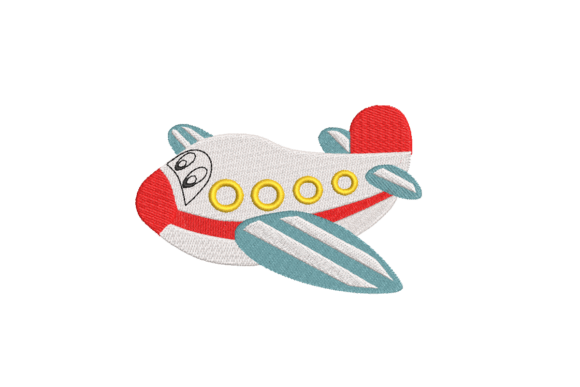
The moment I loaded the digital embroidery file into my software, the playful nature of the Cute Airplane was evident. This is not a rigid, industrial graphic; it possesses a whimsical charm that aligns perfectly with the current trend of nostalgic, cozy apparel. The layout suggests a balance between simplicity and detail, ensuring that the design remains readable even when scaled down for smaller garments. For those targeting the Babies category or creating gender-neutral children's wear, this design offers an adventurous look without being overly aggressive or loud.
The stitching personality appears soft and inviting. In a world where many designs feel stiff due to excessive underlay or high stitch density, this design seems to prioritize flow. When visualized on a mockup, the thread colors pop against neutral backgrounds, suggesting that the digitizer understood the importance of contrast. It feels decorative yet minimal enough to fit seamlessly into a modern wardrobe. For a boutique brand, this balance is crucial. You want a design that signals quality craftsmanship without overwhelming the garment itself.
Application on Premium Sweatshirt Collections
The true test of any hoodie design is how it interacts with different fabric weights and colors. I simulated the Cute Airplane on several types of sweatshirt materials to gauge its versatility. On heavy, dark-colored fleece, the design requires careful selection of thread shades. Bright, saturated colors work best here to ensure the airplane does not get lost in the deep texture of the fabric. Conversely, on pastel-colored or cream sweatshirts, the design shines with a softer palette, creating a gentle, high-end aesthetic that appeals to customers looking for subtle, stylish custom apparel.
Placement is another critical factor. For oversized hoodies, I recommend positioning the Cute Airplane on the left chest for a classic, understated look. This placement allows the design to act as a logo-like identifier for your brand. However, for a bolder statement, centering it on the back of a crewneck sweatshirt creates a striking focal point. The design’s proportions seem well-suited for both applications. If you are creating a cohesive collection, consider using a smaller version on the sleeve cuff as an accent. This attention to detail significantly enhances the perceived value of the finished product.
Navigating Fabric Texture and Stabilizer Choices
One of the most common pitfalls in sweatshirt embroidery is ignoring the fabric texture. Sweatshirts are thick, often fuzzy, and can shift during hooping. To ensure the Cute Airplane looks crisp and professional, the choice of stabilizer is non-negotiable. I strongly advise using a cut-away stabilizer for maximum durability, especially if these garments are intended for active children or frequent washing. A tear-away might suffice for lightweight fabrics, but for the plush interiors of boutique hoodies, cut-away provides the necessary support to prevent puckering around the stitch lines.
Additionally, consider the nap of the fabric. If you are working with high-pile fleece, you may need to use a topping or water-soluble film to keep the stitches from sinking into the material. This step ensures that the intricate details of the airplane remain visible and sharp. Testing on a scrap piece of your actual inventory fabric is essential before running a full production batch. This precaution saves time, thread, and reputation.
Commercial Viability for Etsy Sellers and Small Shops
For Etsy sellers and creative entrepreneurs, the visual appeal of a listing can make or break a sale. The Cute Airplane is highly photogenic. Its clean lines and cheerful motif translate beautifully into printable mockup previews and lifestyle photography. Imagine a flat-lay photo featuring the sweatshirt styled with vintage toys or travel accessories; the design naturally tells a story of adventure and comfort. This narrative potential helps increase customer engagement and conversion rates.
From a business perspective, this design adds tangible value. It transforms a blank garment into a unique handmade product that commands a higher price point. Buyers trust designs that look professionally executed, and the quality inherent in this embroidery file supports that trust. Whether you are selling directly to consumers or offering commercial embroidery services to other brands, having reliable, versatile assets like this in your library is invaluable.
Technical Considerations and File Formats
Before beginning production, it is vital to review the technical specifications provided with the design. The product description notes that this machine embroidery design comes with multiple embroidery files. This is a significant advantage, as it likely includes various formats compatible with different machine brands such as Brother, Janome, or Husqvarna. However, always verify the hoop size requirements. Ensure that the design fits comfortably within your standard hoops without requiring excessive re-hooping, which can lead to alignment issues.
Check the recommended stitch count and density settings if provided. While the design is described as high-quality, every machine behaves differently. Adjusting tension and speed based on your specific equipment will yield the best results. If you are new to working with this type of motif, run a test stitch-out on a similar fabric weight to confirm that the stitch density is appropriate for your thread type. Polyester threads generally offer better durability and color retention for apparel that will be washed frequently.
Enhancing Brand Identity Through Design
Incorporating the Cute Airplane into your lineup does more than just add a pretty picture; it strengthens your brand identity. Consistent use of high-quality, thematic designs helps build visual recognition among your customers. If your brand focuses on cozy, adventurous, or child-friendly apparel, this design reinforces that message. It shows that you care about the details and are committed to providing products that are both aesthetically pleasing and durable.
Furthermore, offering customization options using this design can drive sales. Allow customers to choose their thread colors or add initials alongside the airplane. This level of personalization turns a standard small shop product into a cherished keepsake. The versatility of the design allows it to bridge the gap between playful and sophisticated, making it suitable for a wide range of demographics within the Babies and kids' market, as well as adults who appreciate whimsical nostalgia.
In conclusion, the Cute Airplane is a strong contender for any embroidery designer’s portfolio. It offers the right mix of charm, technical reliability, and commercial appeal. By paying attention to fabric preparation, stabilizer choice, and strategic placement, you can leverage this design to create standout pieces that resonate with your audience. Always remember to check the specific file details included in your purchase to ensure seamless integration into your workflow. With careful execution, this design can become a staple in your boutique’s seasonal collections, driving both creativity and revenue.