Ballerina Tutu Applique: A Designer’s Review
As an embroidery designer who spends countless hours digitizing and testing files, I am always cautious about adding new assets to my library. We all know the frustration of downloading a digital embroidery file that looks promising in the preview but fails under the needle. Recently, I evaluated the Ballerina Tutu Applique from Creative Fabrica with a specific goal in mind: determining its viability for real-world commercial projects. This review is not just about aesthetics; it is about practical application for Etsy sellers, small business owners, and apparel decorators who need reliable design assets.
First Impressions and Visual Appeal
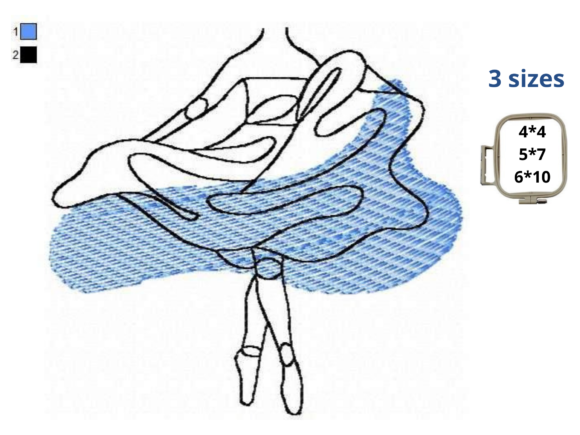
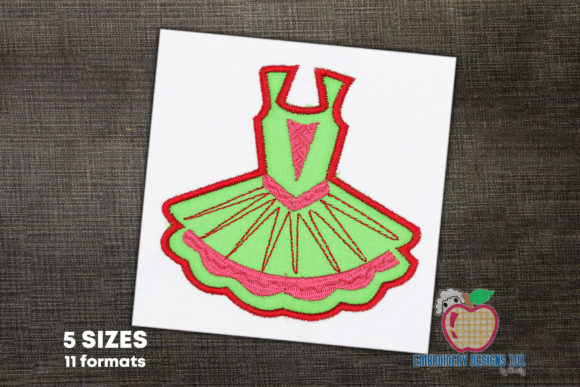
The first thing that strikes you about the Ballerina Tutu Applique is its charming, whimsical mood. It captures the essence of ballet without being overly complex or cluttered. For those of us working in the Dance niche, finding designs that balance cuteness with professionalism can be challenging. This design leans into a soft, fashionable aesthetic that appeals to a broad audience, from toddler moms to adult ballet enthusiasts.
The visual structure suggests a classic applique approach. Typically, these designs rely on a placement stitch, a tack-down stitch for the fabric piece, and a finishing border. In this case, the border appears to utilize a smooth satin stitch, which provides a clean, polished edge essential for high-quality handmade products. The interior details likely use a combination of fill stitch and running stitch to define the tutu layers and bodice, ensuring the design remains legible even at smaller sizes.
Performance in Real Embroidery Projects
The true test of any machine embroidery design is how it performs on actual substrates. I considered several common applications for this applique design to gauge its versatility.
Custom Apparel and Sweatshirts
This design is naturally suited for custom apparel. Imagine it centered on the chest of a child’s sweatshirt or the sleeve of a dance warm-up jacket. The sweatshirt embroidery market is huge, and ballet themes are perennial bestsellers. Because applique reduces the overall stitch count compared to a fully filled design, it sits flatter on bulky fabrics like fleece or French terry. This prevents the "puckering" effect that often plagues dense designs on stretchy materials.
Tote Bags and Canvas Goods
For a tote bag design, stability is key. Canvas provides a firm base that allows the satin stitch borders to pop. The contrast between the thread colors and the natural tone of a canvas bag can create a sophisticated, boutique look. This makes it an excellent candidate for craft fair products or boutique merchandise where visual appeal drives impulse buys.
Embroidered Patches and Caps
Creating an embroidered patch with this motif is another strong possibility. Patches allow customers to add a personal touch to existing garments. However, when applying this to curved surfaces like caps, one must be mindful of the hoop size and stabilization. The design’s compact nature likely fits well within standard cap hoops, but testing is crucial to ensure the curvature does not distort the tutu’s shape.
Practical Considerations for Stitching
While the design is attractive, successful execution requires attention to technical details. Here are the critical factors I evaluate before committing to a production run.
- Fabric Selection: Applique works best on stable fabrics. If you are using stretchy material for dancewear, a cut-away stabilizer is non-negotiable to maintain shape after washing.
- Stitch Density: One advantage of applique is lower stitch density. However, you must ensure the tack-down stitches are secure. If the density is too low, the edges of your applique fabric may fray or lift during wear.
- Thread Colors: The choice of thread colors can make or break this design. High contrast between the border thread and the applique fabric highlights the shape. For a subtle look, match the thread to the fabric. Always check your color map against your intended fabric shade.
- Hoop Size: Before purchasing, confirm the available hoop size options. Ensure the design fits your machine’s smallest hoop if you plan to make small items like baby socks or pocket squares.
It is vital to remember that the product description states the design comes with specific files, but it does not list exact stitch counts or formats in the summary provided. Therefore, I strongly advise checking the product details on the Creative Fabrica page to confirm compatibility with your specific machine software and hardware.
Enhancing Product Value and Brand Consistency
For creative entrepreneurs, the value of a design extends beyond the stitching process. The Ballerina Tutu Applique offers significant potential for branding. Its clean lines and recognizable subject matter make it ideal for creating cohesive collections. You can pair it with other dance-themed elements to build a specialized line of personalized gifts.
Visual appeal is paramount in online sales. This design photographs well because of its defined edges and texture. When creating printable mockups or listing photos for Etsy, the applique technique adds a tactile dimension that flat prints cannot achieve. This perceived quality can justify higher price points and increase buyer trust. Customers associate neat, professional applique with high-end craftsmanship, which enhances your brand’s reputation.
Commercial Use and Licensing
As a Creative Fabrica embroidery user, understanding licensing is critical for commercial embroidery success. Most designs on the platform come with a commercial license, allowing you to sell finished physical items. However, terms can vary. Always read the specific license agreement attached to the Ballerina Tutu Applique before selling your finished product. This ensures you are protected and operating within legal boundaries, whether you are selling aprons, kitchen towels, or nursery decor.
Using this design for seasonal handmade gifts, such as holiday ornaments or birthday presents for young dancers, can also drive engagement. The emotional connection people have with ballet means these items often serve as keepsakes, increasing their sentimental and monetary value.
Final Verdict and Testing Recommendations
In conclusion, the Ballerina Tutu Applique is a promising addition to any embroidery designer’s toolkit, particularly for those targeting the dance and children’s markets. Its versatility across various substrates—from pillow covers to baby blankets—makes it a practical choice for diverse product lines.
Before launching any new product, I recommend the following workflow:
- Test on Scrap Fabric: Never skip this step. Use the same fabric and stabilizer combination you intend to use for the final product.
- Inspect Small Details: After stitching, check the corners and curves of the satin stitch for gaps or bird nests.
- Wash Test: Wash and dry your test piece to ensure the applique fabric does not shrink differently than the base fabric, which could cause puckering.
- Verify File Details: Confirm the included formats (such as PES, DST, or JEF) match your machine’s requirements.
By approaching this Embroidery asset with a critical eye and rigorous testing, you can leverage its charm to create profitable, beautiful items that resonate with your customers. Whether you are expanding your Etsy shop or fulfilling a custom order for a local dance studio, this design offers the reliability and aesthetic appeal needed for professional results.